
Viewership in eSports
Viewership in eSports: How Streamers Amplify Audience Reach and Media Valuation for Sponsors

Ernest Teh
Introduction
eSports has evolved from small-scale competitive gaming events into a global media industry rivalling traditional sports. As viewership continues to grow across live streaming platforms, the way audiences consume eSports content has fundamentally changed. No longer confined to official tournament broadcasts, modern eSports viewership is increasingly fragmented across individual streamers who co-stream, react to, or commentate on professional matches.
This shift presents a significant opportunity for brands and sponsors, but also a challenge in terms of measurement for sponsors. Some voices in the industry claim that co-streaming is cannibalising official eSports broadcasters, reducing publisher control, which could translate to a challenge for eSports organisations in terms of guaranteeing exposure and media value to sponsors.
However, co-streaming does not reduce audience or sponsorship value. Rather, it redistributes and often expands it. By understanding how streamer-driven viewership contributes to total audience reach, eSports stakeholders can more accurately assess media value and unlock greater returns on sponsorship investments.
eSports Viewership and its Rise
Throughout the years, eSports has seen a steady growth in viewership from the biggest games on the planet. In 2025, an estimated 640 million viewers tuned into eSports (~+47% from 2020), with nearly half of those viewers being classified as eSports Enthusiasts.¹
Viewing hours tells a bigger story than just viewership. Esports generated 32.5 billion hours watched in 2024, up 12% from 2023 and double the 2019 numbers. Audiences aren’t just showing up for championship matches - they’re watching entire tournaments, regional leagues, and qualifying rounds. Asia-Pacific leads global esports viewership with around 80% of the audience, followed by North America at roughly 10% and Europe with a notable share. The strongest growth is coming from emerging regions like Southeast Asia and Latin America where access to traditional media is limited but mobile internet is widely available.
¹ https://www.statista.com/statistics/490480/global-esports-audience-size-viewer-type/?srsltid=AfmBOorwqRCbIEJHd3f0iMqxI__8k_bzfrDqF0e1XQqxU6fY9kPLyc-u
High-profile streamers, including former professional players, casters, and content creators, regularly stream tournament matches live to their own audiences. Streamers such as Tarik in Valorant or Caedrel in League of Legends attract tens or even hundreds of thousands of concurrent viewers who prefer their personalized commentary, reactions, and analysis over official broadcasts.
These viewers are still consuming the same eSports product, but through a different distribution channel. As a result, a large share of total viewership remains unaccounted for in traditional audience tracking models.
Current eSports viewership metrics often rely on official publisher or tournament channels, such as Riot Games’ Twitch broadcasts for League of Legends or Valorant. While these capture a large audience, they overlook a growing segment of viewers. Popular streamers, including former pros, casters, and content creators like Tarik or Caedrel, frequently co-stream events to massive audiences who prefer personalized commentary and analysis. Although these viewers are watching the same matches, they are counted separately or not at all. As a result, traditional tracking methods significantly underestimate total eSports viewership.
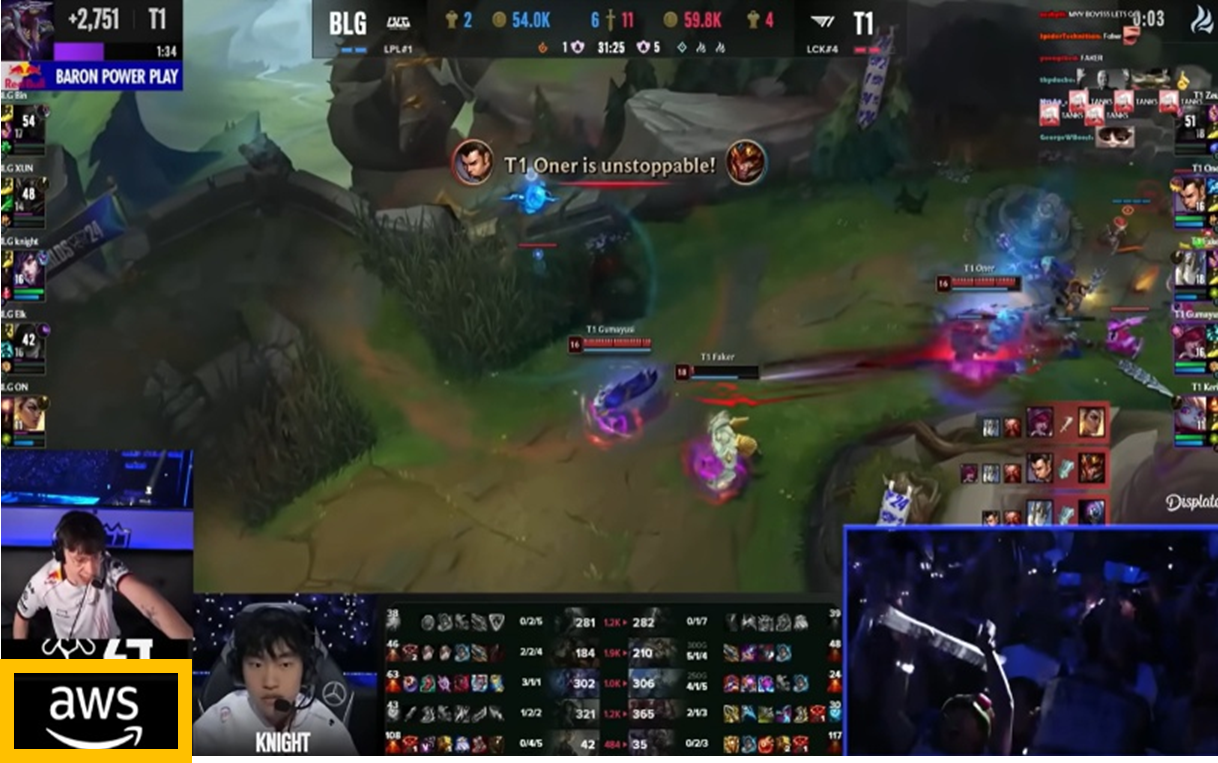
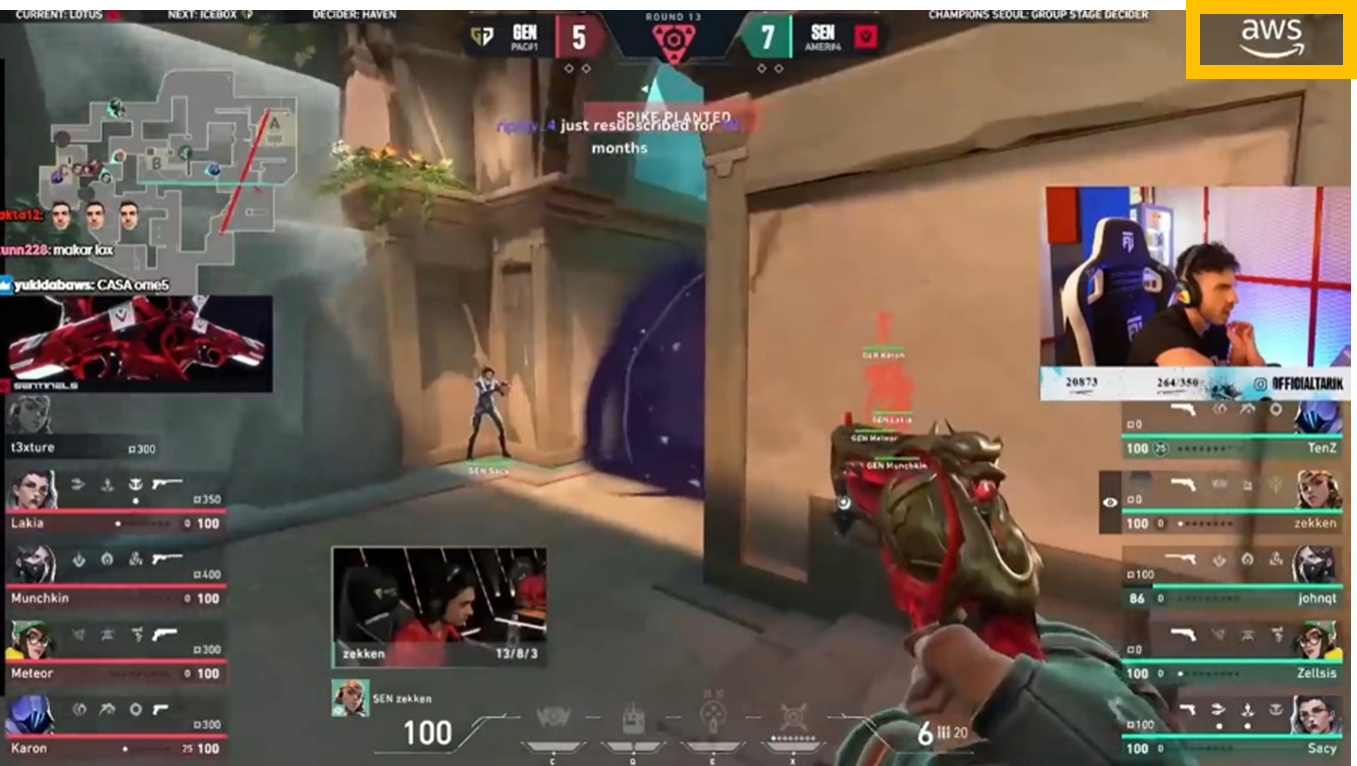
During Valorant Champions Tournament 2025 held in Paris, Valorant's own Twitch English language channel had total of 4 million viewing hours, whereas famous Valorant Twitch streamer Tarik had 2.6 million viewing hours. The difference is even more stark for the LoL World Championships 2025, so much so that famous ex-player and caster Caedrel garnered more than triple the total viewing hours of Riot Games' own English language channel of the tournament (15.7 million vs 5.4 million).
*English Twitch channels only
**LoL - Caedrel;Valorant - Tank
From a sponsorship perspective, this gap in measurement has major implications. Media valuation in eSports sponsorships is often calculated based on impressions, exposure time, and audience size. If only official channels are measured, sponsors may be undervaluing the true reach of their brand presence.
By measuring viewership across both official tournament broadcasts and streamer co-streams, the total audience reach increases significantly. This aggregated approach boosts overall impressions, giving sponsors greater exposure through logos and in-game branding, ultimately increasing the advertising value generated by eSports events.
On the other hand, if co-streaming audiences are aggregated without a second thought, sponsorship impact can be overestimated. Co-streamers currently have a large amount of creative freedom, meaning they might switch out and into the official broadcast they are co-streaming to their own liking, or cover logos with other overlays such as their webcams.
Importantly, streamer-led broadcasts often deliver higher engagement quality. Viewers tuning into individual streamers tend to exhibit stronger parasocial relationships, longer watch times, and greater trust in the streamer’s opinions. When sponsors appear in these environments, brand messages can feel more authentic and less intrusive than traditional advertising.
How Streamers Increase Sponsor Media Value
Streamers add value to eSports sponsorships in several key ways:
- Expanded Reach
- Co-streamers extend tournament viewership beyond official channels, increasing total impressions without additional production costs.
- Deeper Engagement
- Streamers provide live reactions, explanations, and emotional storytelling, enhancing viewer attention and recall of sponsored elements.
- Targeted Audiences
- Many streamers attract niche or highly dedicated fanbases, allowing sponsors to reach specific demographics more effectively.
- Contextual Brand Integration
- Sponsor visibility within streamer content often feels more organic, particularly when streamers interact directly with branded in-game elements or discuss sponsors naturally during broadcasts.
- Enhanced Media Valuation Metrics
- When streamer audiences are included in valuation models, the effective media value of sponsorships can increase significantly, improving ROI justification for brands.
Conclusion
As eSports continues to grow, so too must the methods used to measure its viewership and commercial value. The modern eSports audience is no longer centralised; it is distributed across a complex ecosystem of official broadcasts and individual creators. Streamers play a critical role in shaping how fans experience eSports, and their audiences represent a substantial, often overlooked component of total viewership.
While eSports are at the forefront, the influence of (co-)streamers is also rapidly increasing in other sports and entertainment events. In the United Kingdom alone, streamers are now broadcasting live legacy sports (e.g., Mark Goldbridge streaming the Bundesliga) or even becoming rights holders themselves (e.g. Baller League). Other markets, such as Brazil, have even seen several streamers become full-fledged broadcasters of A-tier events such as the World Cup.
By adopting integrated viewership tracking models, as well as an aggregated, event-level measurement that treat co-streamers as a core distribution layer such as the model we've built at Futures, eSports organisations can unlock higher media valuations, deliver greater value to sponsors, and more accurately reflect the true scale of eSports as a global entertainment industry.
If you have questions related to the article, please email Samuel.Marks@futuressport.com
Sources:
https://www.statista.com/statistics/490480/global-esports-audience-size-viewer-type/?srsltid=AfmBOorwqRCbIEJHd3f0iMqxI__8k_bzfrDqF0e1XQqxU6fY9kPLyc-uhttps://sportsepreneur.com/esports-viewing-640-million-people/
https://twitchtracker.com/